

Vaccinations
Vaccines protect dogs and cats from diseases like parvo, distemper, and rabies, which can kill or leave lasting damage. Given on schedule, they also cut the spread of those diseases to other pets, and lower the risk of rabies reaching people.



First Shots
From 6 to 8 Weeks

Yearly Checkup
At Least Once a Year

Dental Care
Below the Gum Line

Surgery
Including TPLO
Vaccines for Dogs and Cats
The schedule follows the UC Davis and AVMA guidelines. We adjust it for your pet's age and health, and for what they're exposed to. Core vaccines are recommended for every pet. The rest depend on your pet's lifestyle.

The Puppy Schedule
6 to 8 Weeks The puppy series starts with the distemper and parvovirus vaccine (DA2PP), which also covers adenovirus and parainfluenza.
Every 3 to 4 Weeks Another dose every 3 to 4 weeks until your puppy is at least 16 weeks old.
16 Weeks and Older Rabies, as local law requires. It is usually given with the last distemper and parvo dose, at 16 weeks or older. (Earlies age that can receive Rabies is 12 weeks of age)
1 Year Boosters for rabies and for distemper and parvo.
Every 3 Years The same boosters again, or on whatever schedule the vaccine label and local law set.
Core Vaccines for Dogs
Rabies A fatal disease that can pass to people. Required by law in most areas.
Distemper, Parvovirus, and Adenovirus (DA2PP or DHPP) Protects against distemper, parvovirus, a severe and often fatal intestinal disease, and adenovirus, which causes hepatitis.
Leptospirosis A bacterial disease of the kidneys and liver that can also infect people. Recommended where dogs meet water or wildlife.
Lifestyle Vaccines for Dogs
Whether your dog needs Bordetella, leptospirosis, Lyme, or canine flu depends on how it lives, where it goes, and what it's around. These often need a first series, then a yearly booster.
Bordetella Kennel cough, common in boarding, daycare, grooming, and dog shows. Often required by kennels.
Lyme Disease For dogs with high tick exposure or travel to areas where Lyme is common.
Canine Influenza For dogs around a lot of other dogs, in kennels, or during a local outbreak.
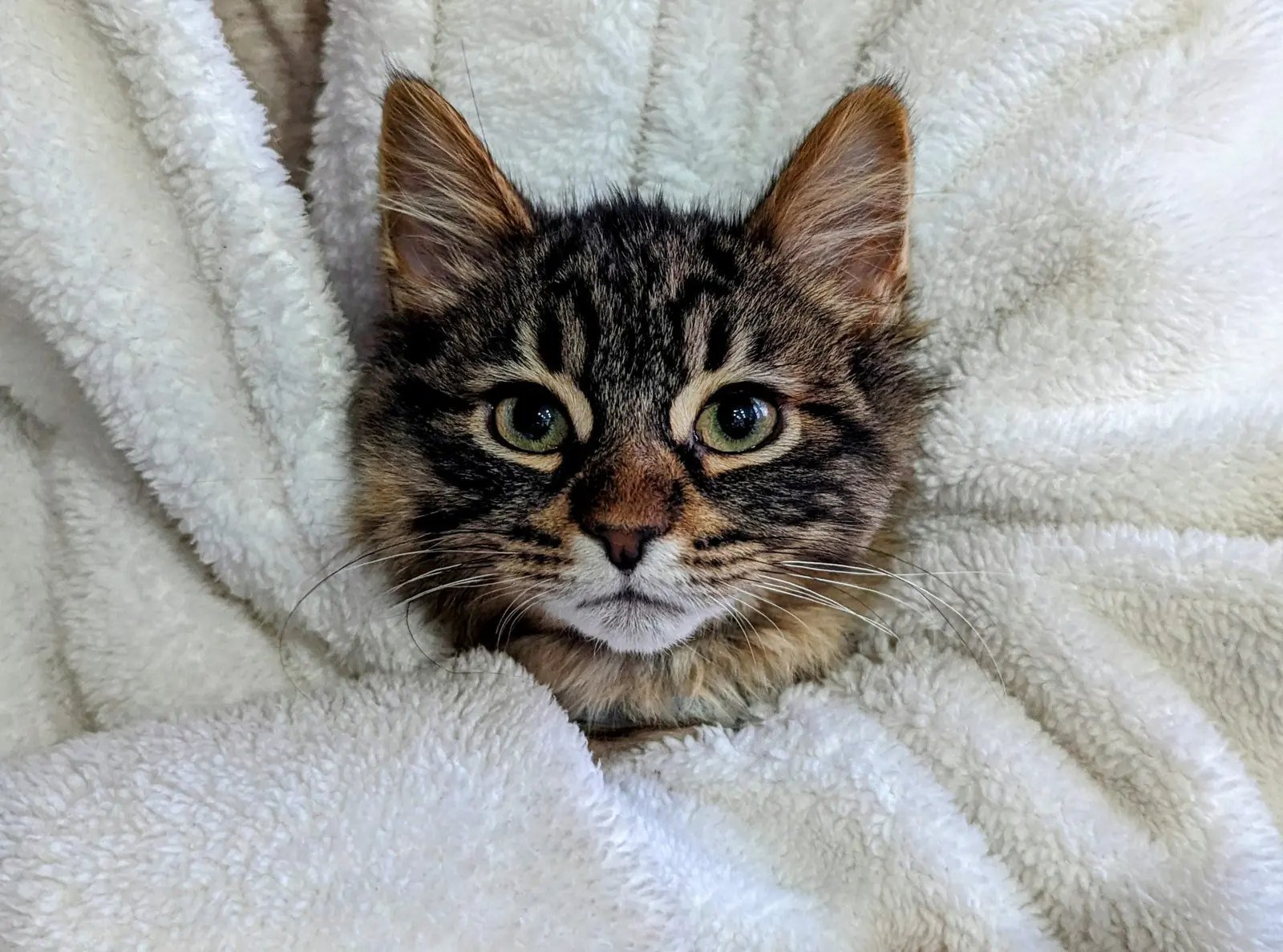
The Kitten Schedule
6 to 8 Weeks The kitten series starts with FVRCP, which protects against panleukopenia, herpesvirus, and calicivirus.
Every 3 to 4 WeeksAnother dose every 3 to 4 weeks until your kitten is at least 16 weeks old.
16 Weeks and OlderLast kitten FVRCP vaccine series given at 16 weeks and older age. Rabies usually given at the same time as last FVRCP vaccine at 16 weeks age. (Earlies age that can receive Rabies is 12 weeks of age)
1 Year Boosters for the core vaccines.
Every 1 or 3 Years FVRCP every 1 or 3 years, depending on the vaccine and your cat's risk. Rabies every 1 or 3 years, depending on the vaccine and local law.
Core Vaccines for Cats
Rabies A fatal disease that can pass to people. Required by law in many places.
FVRCP Protects against feline herpesvirus, calicivirus, which causes upper respiratory disease, and panleukopenia, a severe and often fatal feline distemper.
Lifestyle Vaccines for Cats
Feline Leukemia (FeLV) For kittens and for adult cats that go outdoors or have contact with FeLV positive cats. Not needed for strictly indoor cats in a one-cat home with no exposure. It starts with two doses, then a yearly booster for cats at risk.
After a Vaccine
Most reactions are mild and go away on their own. Serious ones are rare, and they're easier to treat when caught fast.
At the Clinic
We watch your pet for 15 to 30 minutes after the shot. Being a little tired, eating less, a mild fever, or a sore spot where the shot went in are all common.
At Home, First 1 to 2 Days
Keep your pet calm and skip hard exercise for 24 hours.
Check the injection site each day. A small firm bump often fades in a few days.
Offer food and water as usual. Call us if your pet refuses food for more than 24 hours.
Call Us Right Away If You See
Trouble breathing, or swelling of the face, eyes, or muzzle
Hives, collapse, or severe weakness
Repeated vomiting or severe diarrhea
A lump that grows quickly, or signs of severe pain
Symptoms that get worse or do not improve in 1 to 2 days
Tell us what you're seeing, when the shot was given, and which vaccine it was. If we're closed, call your nearest emergency vet.
How We Choose Your Pet's Vaccines
Core vaccines for every pet. The others only when your pet's risk calls for them.
We follow the vaccine labels and the research, and we don't give core boosters every year when they last longer than that.
A titer test, a blood test, can show whether your pet is still protected against some core diseases.
We go over the benefits and risks with you before any vaccine.
Tell us about boarding, travel, hunting, and any past vaccine reaction. They can change what we recommend.
Keep your pet's vaccine record up to date, and bring it to every visit and to boarding.
Book a Vaccine Visit
Bring your pet's vaccination record to the visit.
Next: Yearly Checkup
A wellness exam is a regular checkup from nose to tail, at least once a year for adult pets.