

Surgery
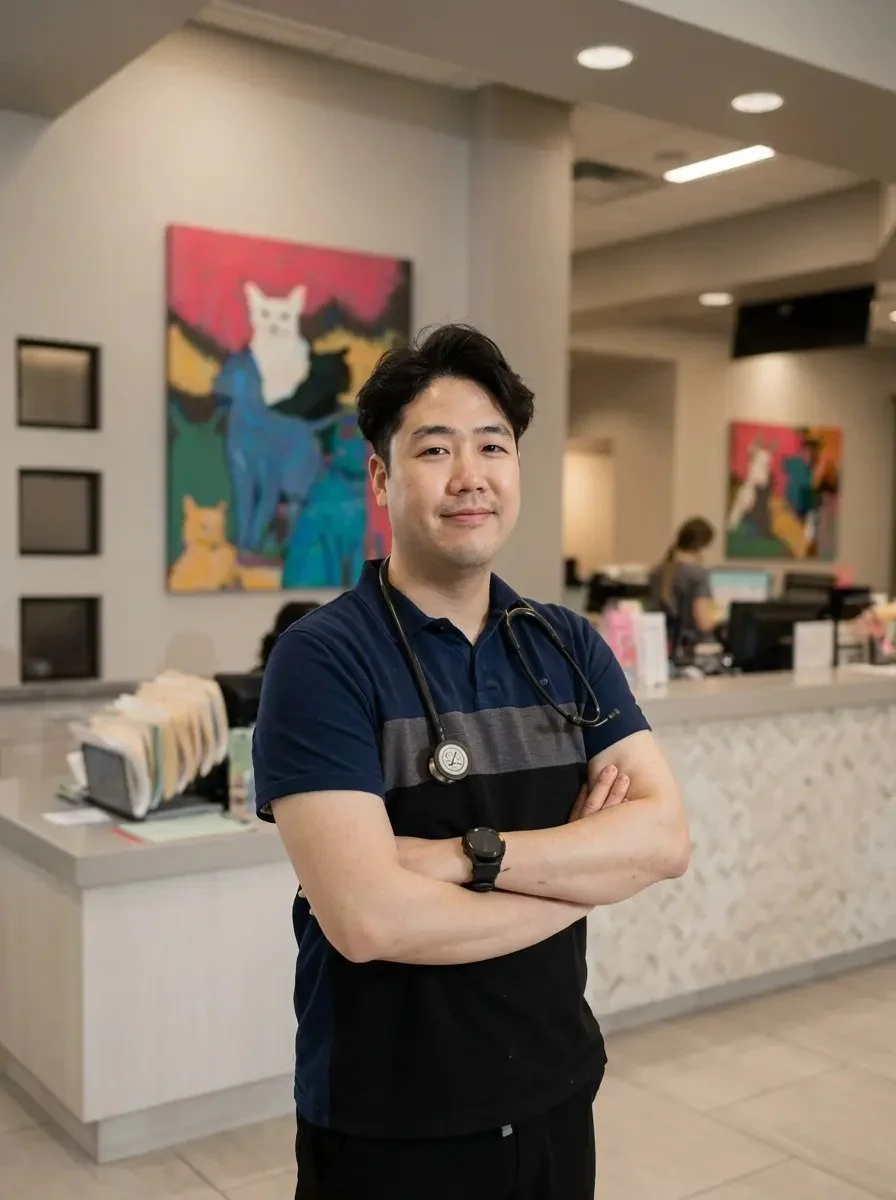
Dr. Park does soft tissue and orthopedic surgery, including TPLO, here at the clinic. Many pets can have surgery close to home instead of being referred to a specialist.
First Shots
From 6 to 8 Weeks
Yearly Checkup
At Least Once a Year
Dental Care
Below the Gum Line
Surgery
Including TPLO
Soft Tissue and Orthopedic Surgery
Soft Tissue Surgery
Anything that isn't bone: skin, muscle, fat, and organs like the bladder, intestines, liver, and spleen. Some of it is routine and planned, some of it is urgent. Common procedures include:
Spay and neuter
Lump and mass removal
Wound repair
Removing swallowed objects
Bladder stone surgery
Emergency abdominal surgery
Orthopedic Surgery
Bones, joints, ligaments, and tendons. This surgery is planned with X-rays and other imaging, and recovery includes pain control and rehab to get your pet moving again. Common procedures include:
TPLO for a torn cranial cruciate ligament
Fracture repair
Luxating kneecap repair
Joint stabilization
TPLO Here in Corona
TPLO (tibial plateau leveling osteotomy) is a repair for a torn cranial cruciate ligament, a common knee injury in dogs.
Surgery like this often means a referral and a drive to a specialty hospital. Dr. Park trained in orthopedic and soft tissue surgery in central California, where specialists were hard to reach, and that background lets him do surgery like TPLO here in Corona.
What to Expect
Before Surgery
A history and full exam, to check your pet's health and anesthesia risk
Bloodwork, a urine test, or imaging if we need them to plan
Instructions for fasting, and a plan for fluids and monitoring
A conversation with you about the options, the risks, what to expect, the cost, and aftercare
During Surgery
General anesthesia for most surgeries. Local or regional blocks may add to it or replace it in some cases
We watch heart rate and rhythm, blood pressure, oxygen, carbon dioxide, temperature, and breathing the whole time
Pain medicine before, during, and after surgery
Sterile instruments, gowns, and gloves to lower the risk of infection
After Surgery
Close monitoring until your pet is awake and stable
Pain relief, fluids, nutrition, and wound care as needed
Rest to protect the repair: a cone, crate rest, or leash walks only
Rechecks and stitch removal, X-rays after orthopedic surgery, and a rehab referral if your pet needs one
Call Us If You Notice
Redness, swelling, or discharge at the incision
The wound opening
New or worse limping
Loss of appetite, vomiting, diarrhea, or unusual tiredness
Every surgery has some risk: problems with anesthesia, bleeding, infection, or slow healing. A careful exam first, sterile technique, and good aftercare reduce that risk.
Talk to Us About Surgery
Call the front desk with questions about your pet's surgery.
Book a First Visit
Call or book online. We're in Suite 101 at 1551 E Ontario Ave.